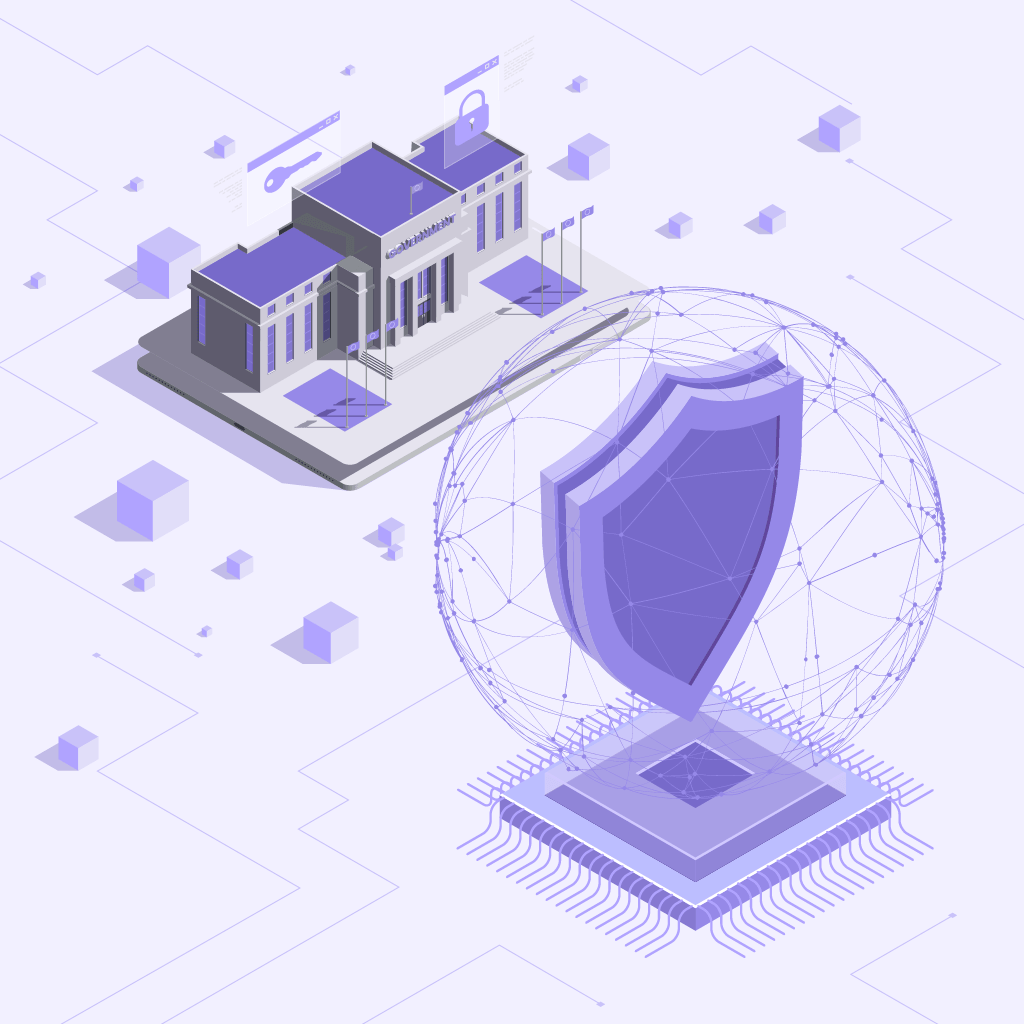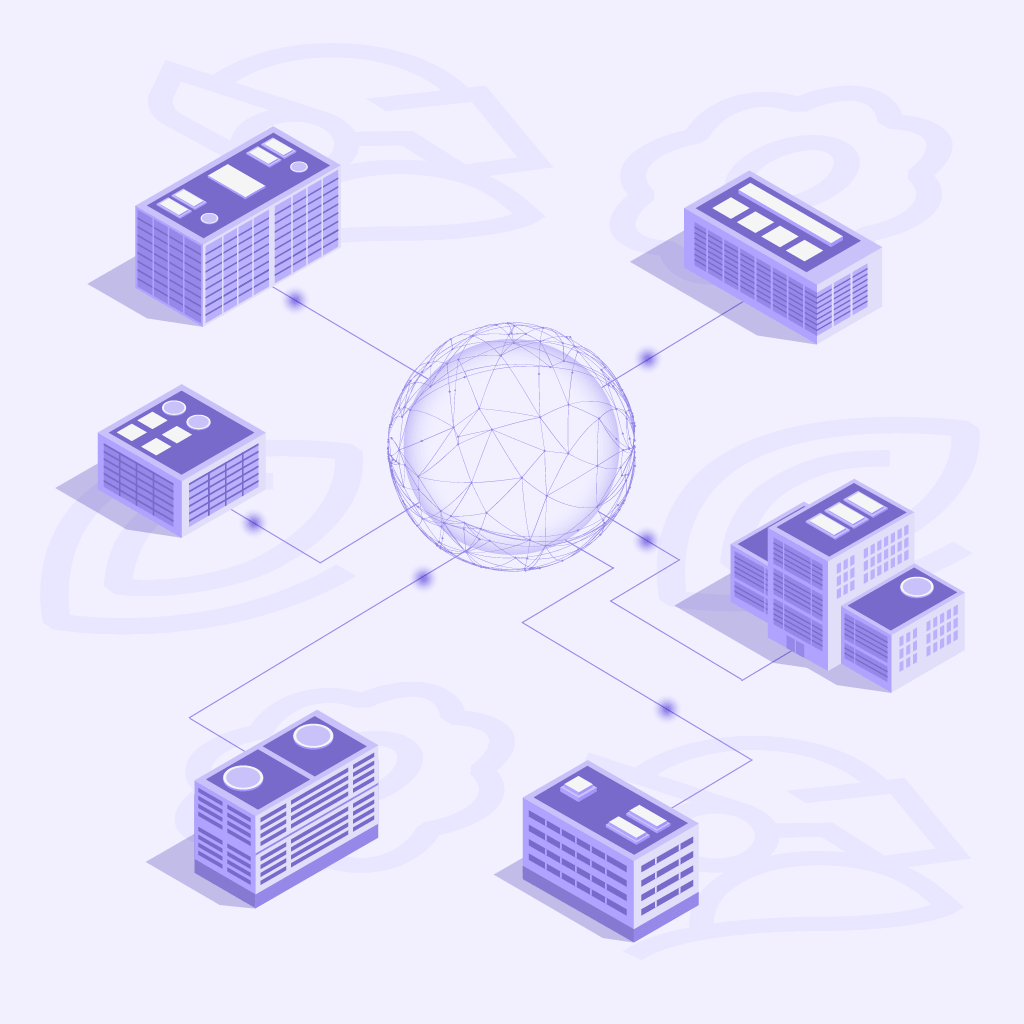


Core techniques: federated learning, homomorphic encryption, differential privacy. Production deployments include the MELLODDY consortium (Novartis, GSK, AstraZeneca and 7 others) and Atomwise's confidential computing initiative — reducing drug development timelines from 10–15 years to a projected 5–8 years.
Introduction
Imagine a vault containing the world's most valuable recipes―not for gourmet dishes, but for life-saving medicines. Now, picture multiple pharmaceutical companies wanting to collaborate on creating better drugs while keeping their "secret ingredients" secure. This is the fundamental challenge that privacy-preserving machine learning (PPML) addresses in the realm of drug discovery.
In recent years, the intersection of artificial intelligence and pharmaceutical research has created unprecedented opportunities for drug development. However, this convergence brings forth a critical challenge: how to leverage vast amounts of sensitive data while maintaining confidentiality and competitive advantage. Enter privacy-preserving machine learning, a revolutionary approach that's transforming how we discover and develop new drugs.
The Privacy Paradox in Drug Discovery
The pharmaceutical industry faces a unique dilemma. On one hand, the power of machine learning algorithms grows exponentially with access to more data. On the other hand, this data represents billions of dollars in research investment and intellectual property. According to a 2023 study published in Nature Biotechnology, the average cost of developing a new drug exceeds $2,5 billion, with data being a crucial asset throughout the process.
Key Challenges:
- Protection of proprietary molecular structures and binding data
- Securing patient information in clinical trials
- Maintaining competitive advantage while fostering collaboration
- Ensuring regulatory compliance across multiple jurisdictions
- Balancing data utility with privacy requirements
The PPML Solution: A Technical Deep Dive
Privacy-preserving machine learning in drug discovery employs several sophisticated techniques that work like a molecular bond―bringing different elements together while maintaining their distinct properties. Here are the key technologies making this possible:
1. Federated Learning in Drug Development
Like a well-orchestrated symphony where each musician plays their part without seeing others' sheet music, federated learning allows pharmaceutical companies to collaborate without sharing raw data. This groundbreaking approach has shown remarkable results in several recent applications:
- Multi-institutional Drug Screening: A 2023 study in the Journal of Chemical Information and Modeling demonstrated how federated learning enabled 5 major pharmaceutical companies to jointly train models on their proprietary compound libraries, improving hit prediction rates by 47% compared to single-institution models.
- Cross-silo Model Training: Companies can now train sophisticated AI models across organizational boundaries while keeping their molecular databases secure. Think of it as a chemical reaction where catalysts work together without mixing.
2. Homomorphic Encryption: The Digital Cloak
Homomorphic encryption serves as a molecular shield, allowing computations on encrypted data without decryption. In drug discovery, this technology has revolutionary applications:
- Secure Molecular Property Prediction: Researchers can run predictions on encrypted molecular structures, maintaining IP protection throughout the analysis pipeline;
- Protected Binding Affinity Calculations: Companies can evaluate drug-target interactions without exposing actual molecular structures.
A recent implementation by the European Molecular Biology Laboratory demonstrated computation speeds 100x faster than previous encrypted methods, making this approach practically viable for the first time.
3. Differential Privacy: The Statistical Safeguard
Similar to how a buffer solution maintains pH balance, differential privacy adds carefully calibrated noise to protect individual data points while preserving statistical validity. In drug discovery, this translates to:
- Protected Clinical Trial Data: Sharing aggregate results without compromising individual patient privacy;
- Secure Biomarker Analysis: Identifying drug targets while protecting sensitive genetic information.
Real-World Applications and Success Stories
Case Study 1: The MELLODDY Project
The Machine Learning Ledger Orchestration for Drug Discovery (MELLODDY) consortium represents a groundbreaking implementation of PPML in pharmaceutical research. This project, funded by the Innovative Medicines Initiative (IMI), has brought together ten major pharmaceutical companies including Novartis, GSK, and AstraZeneca, along with technology providers and academic institutions.
According to the official MELLODDY publications, the project has achieved:
- successful implementation of federated learning across multiple pharmaceutical companies;
- development of a blockchain-based platform for secure model sharing;
- preservation of data privacy while enabling collaborative drug discovery;
- significant improvements in predictive modeling capabilities.
Case Study 2: Atomwise's Confidential Computing Initiative
Atomwise pioneered a novel approach combining federated learning with secure enclaves, enabling:
- real-time collaboration across continents;
- protected screening of over 10 million compounds daily;
- maintenance of data sovereignty for all partners.
Emerging Trends and Future Directions
1. Quantum-Resistant Privacy Preservation
As quantum computing looms on the horizon, the pharmaceutical industry is already preparing for its impact on privacy-preserving systems. Think of it as developing an antiviral drug before a virus mutates―proactive rather than reactive.
Key developments include:
- post-quantum cryptographic protocols for molecular data protection;
- quantum-resistant federated learning frameworks;
- hybrid classical-quantum privacy preservation methods.
According to a 2024 paper in Nature Machine Intelligence, these preparations are critical as quantum computers may break current encryption methods within the next decade.
2. Zero-Knowledge Proofs in Drug Discovery
Imagine being able to prove you've discovered an effective drug without revealing anything about its structure―that's the promise of zero-knowledge proofs (ZKPs) in pharmaceutical research. Recent applications include:
- validation of drug-target interactions without exposing molecular structures;
- verification of clinical trial results while protecting patient data;
- proof of novel compound synthesis without revealing reaction pathways.
3. Blockchain-Enhanced Privacy
Like a digital notary system, blockchain technology is being integrated with PPML to create immutable audit trails while maintaining privacy:
- smart contracts governing data access and model training;
- decentralized verification of research results;
- transparent yet private collaboration frameworks.
Implementation Challenges and Solutions
Technical Challenges
- Computational Overhead
- Current Challenge: Homomorphic encryption can slow computations by 1000x
- Solution Pathway: New lightweight encryption schemes and hardware acceleration
- Industry Example: Intel's SGX enclaves reducing overhead by 60%
- Model Accuracy vs. Privacy Trade-offs
- Challenge: Stronger privacy often means reduced model performance
- Solution: Adaptive privacy budgets based on data sensitivity
- Case Study: AstraZeneca's dynamic privacy scaling framework
Organizational Challenges
- Regulatory Compliance
- Challenge: Meeting varied global privacy requirements (GDPR, HIPAA, etc.)
- Solution: Privacy-by-design frameworks with built-in compliance checks
- Best Practice: Automated compliance verification systems
- Cost Considerations
- Challenge: High implementation costs for robust PPML systems
- Solution: Consortium approaches sharing infrastructure costs
- ROI Analysis: Long-term savings through reduced data breach risks
Best Practices for Implementation
1. Technical Architecture
Think of implementing PPML like building a modern laboratory – you need the right equipment in the right places:
Core Components:
- Secure Enclaves for Computation;
- Encrypted Data Lakes;
- Federated Learning Orchestrators;
- Privacy Budget Managers.
2. Governance Framework
Like a well-designed experimental protocol, your privacy governance should be:
- clearly documented;
- easily reproducible;
- regularly validated.
3. Training and Compliance
Success requires:
- regular team training on privacy protocols;
- updated security certifications;
- continuous monitoring and adjustment.
Impact on the Future of Drug Discovery
Accelerating Development Timelines
Privacy-preserving ML is transforming traditional drug discovery timelines like a catalyst accelerating a chemical reaction:
- traditional Timeline: 10-15 years;
- PPML-Enhanced Timeline: 5-8 years projected;
- Cost Reduction: 30-40% potential savings.
Democratizing Drug Discovery
Like open-source software revolutionized programming, PPML is democratizing drug discovery:
- smaller companies can now collaborate with industry giants;
- academic institutions can participate without massive infrastructure;
- developing nations can contribute to global drug discovery efforts.
Practical Recommendations for Organizations
Starting Your PPML Journey
- Assessment Phase
- Audit current data handling practices.
- Identify critical IP assets.
- Map collaboration opportunities.
- Infrastructure Development
- Start with pilot projects.
- Scale gradually.
- Build modular systems.
- Partnership Strategy
- Join existing consortiums.
- Establish data sharing agreements.
- Create clear IP frameworks.
The Road Ahead: 2025 and Beyond
Near-Term Developments (1-2 Years)
- Integration of AI accelerators for faster encrypted computation.
- Standardization of PPML protocols in drug discovery.
- Enhanced regulatory frameworks for private AI collaboration.
Medium-Term Outlook (3-5 Years)
- Quantum-resistant privacy preservation becoming standard.
- Fully automated private drug discovery pipelines.
- Global PPML networks for rare disease research.
Long-Term Vision (5+ Years)
- Real-time private collaboration across all phases of drug development.
- Seamless integration of private AI in clinical trials.
- Zero-trust drug discovery ecosystems.
Conclusion
Privacy-preserving machine learning in drug discovery is not just a technological advancement―it's a paradigm shift in how we approach pharmaceutical innovation. Like the discovery of the double helix structure revolutionized our understanding of genetics, PPML is revolutionizing how we collaborate in drug discovery while protecting intellectual property.
The future of pharmaceutical research lies not in isolation but in secure collaboration. As we stand at this technological crossroads, organizations that embrace PPML while maintaining rigorous privacy standards will lead the next wave of drug discovery innovations.
Additional Resources
Key Research Papers
- Foundational Research
- "Machine learning for molecular and materials science" - Nature (2018)
Comprehensive overview of ML applications in molecular science.
- "Machine learning for molecular and materials science" - Nature (2018)
- Privacy Preservation in Healthcare
- "Privacy-Preserving Deep Learning in Medical Imaging: A Review"
Transferable insights for pharmaceutical research.
- "Privacy-Preserving Deep Learning in Medical Imaging: A Review"
- MELLODDY Project Publications
- Available at: https://www.melloddy.eu/
Real-world implementation of federated learning in drug discovery.
- Available at: https://www.melloddy.eu/
Industry Guidelines and Regulatory Frameworks
- FDA Guidelines
- "Artificial Intelligence and Machine Learning in Software as a Medical Device"
Regulatory perspective on AI/ML in healthcare applications.
- "Artificial Intelligence and Machine Learning in Software as a Medical Device"
- European Regulatory Framework
- EMA's "Big Data Steering Group workplan 2021-2023"
European guidelines for big data and AI in pharmaceutical development.
- EMA's "Big Data Steering Group workplan 2021-2023"
Technical Documentation and Tools
- OpenMined Framework
- https://www.openmined.org/
Open-source privacy-preserving machine learning platform.
Extensive documentation and tutorials available.
- https://www.openmined.org/
- PySyft Library
- https://github.com/OpenMined/PySyft
Technical implementation of private AI computations.
Python library for encrypted computation and federated learning.
- https://github.com/OpenMined/PySyft
Frequently Asked Questions
What is privacy-preserving machine learning (PPML) in drug discovery?
PPML in drug discovery is a set of cryptographic and architectural techniques that let pharmaceutical companies, research institutions, and contract research organizations collaboratively train AI models on combined data without sharing the underlying records.
Three core techniques dominate:
- federated learning (each party trains on its own data, only model updates exchanged),
- homomorphic encryption (computations run directly on encrypted molecular structures or patient records), and
- differential privacy (calibrated statistical noise protects individual data points).
Applied to molecular screening, binding affinity prediction, clinical trial analysis, and biomarker discovery.
What is the MELLODDY project?
MELLODDY (Machine Learning Ledger Orchestration for Drug Discovery) is a consortium of ten major pharmaceutical companies — including Novartis, GSK, and AstraZeneca — plus technology providers and academic institutions, funded by the EU's Innovative Medicines Initiative (IMI). The project deployed federated learning across participating pharma companies, allowing them to train predictive ML models on their combined proprietary compound libraries without disclosing the molecules. MELLODDY also built a blockchain-based platform for secure model sharing. According to MELLODDY publications, participating models showed significant improvements over what any single company could achieve alone with its data.
How does federated learning help pharmaceutical companies collaborate?
Federated learning (FL) lets each pharmaceutical company keep its proprietary compound libraries, screening results, and trial data inside its own infrastructure. Companies share only model parameter updates with a coordinator, which aggregates them into a stronger global model. Each company benefits from the combined knowledge of all participants without exposing its IP. According to the cited Journal of Chemical Information and Modeling (2023) study, federated learning among 5 pharma companies improved hit prediction by 47% compared to single-institution models — a gain that would otherwise require data-sharing agreements that are typically infeasible.
How does homomorphic encryption protect drug discovery data?
Homomorphic encryption (HE) allows computations to be performed directly on encrypted data without ever decrypting it — the encrypted output, once decrypted, equals what would have been computed on the plaintext. In drug discovery, this means: a pharma company can submit encrypted molecular structures to an external AI prediction service and receive encrypted binding affinity predictions back, with the service never seeing the actual molecules. The article references implementations by the European Molecular Biology Laboratory achieving up to 100x speedup over earlier encrypted approaches. Production tradeoff remains: HE is much slower than plaintext, so it's typically combined with federated learning for production-scale deployments.
What are the costs and timeline benefits of PPML in drug development?
According to the analysis on this page, traditional drug development takes 10–15 years. PPML-enhanced pipelines could compress this to a projected 5–8 years through expanded multi-party collaboration and faster screening on combined datasets. Cost savings: 30–40% potential reduction in development cost (currently averaging $2.5 billion per drug per Nature Biotechnology). These figures are forward-looking projections — actual savings depend on specific use case, dataset size, and the maturity of the PPML deployment.
Which pharmaceutical companies use privacy-preserving ML?
Named in the article: the MELLODDY consortium comprises ten major pharmaceutical companies, with publicly disclosed members including Novartis, GSK (GlaxoSmithKline), and AstraZeneca. Atomwise runs a confidential computing initiative for compound screening at scale. European Molecular Biology Laboratory (EMBL) has demonstrated 100x speedup in encrypted molecular computations. Intel provides SGX secure enclaves used in confidential pharmaceutical workloads. Additional names appear across MELLODDY publications and IMI program records.
What are quantum-resistant cryptographic methods for drug discovery?
Quantum-resistant (post-quantum) cryptography refers to encryption schemes designed to remain secure even against attacks from large quantum computers. As quantum computing matures, current encryption standards used to protect pharmaceutical data may become breakable — the article cites a 2024 Nature Machine Intelligence paper warning that this transition may matter within the next decade. Pharma industry preparation includes: post-quantum cryptographic protocols for molecular data protection, quantum-resistant federated learning frameworks, and hybrid classical-quantum privacy preservation methods. Adoption is still early — most production PPML systems today use classical cryptography.
How does Guardora support pharmaceutical research?
Guardora provides commercial privacy-preserving ML infrastructure suitable for pharmaceutical R&D collaborations. The core product, Guardora VFL (Vertical Federated Learning), enables two-party training scenarios — such as a pharma company collaborating with an academic research institution or a contract research organization — combining feature sets without exchanging raw data. The platform uses Paillier homomorphic encryption (1024-bit) for gradient protection and Private Set Intersection for secure ID alignment. For broader multi-party pharmaceutical consortia (5+ partners), additional federated learning configurations are available — contact Guardora to scope a specific drug-discovery use case.